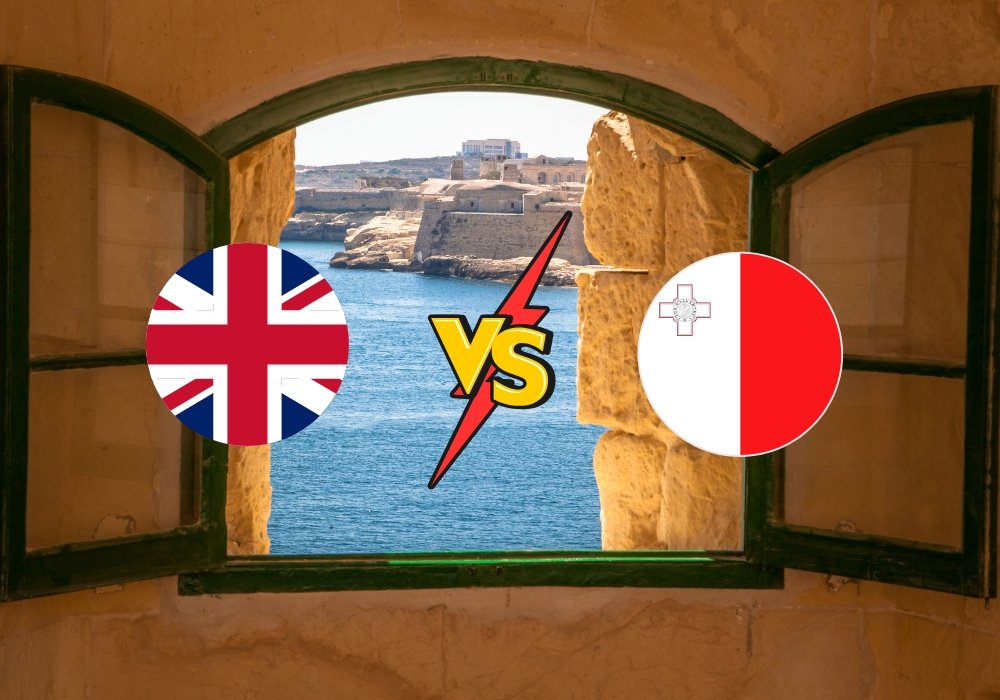
Understanding the main language of Malta is essential for anyone planning to study, work, or live on this Mediterranean island. Malta is unique in Europe for its bilingual identity, where Maltese and English coexist as official languages. This balance influences education, government, business, and everyday communication—making Malta an attractive destination for professionals and students alike. […]
Understanding the main language of Malta is essential for anyone planning to study, work, or live on this Mediterranean island. Malta is unique in Europe for its bilingual identity, where Maltese and English coexist as official languages. This balance influences education, government, business, and everyday communication—making Malta an attractive destination for professionals and students alike.
In this comprehensive guide, we explore how Maltese and English are used across society, why bilingualism matters in Malta, and which language you should focus on learning first. Whether you’re preparing for a career move, academic studies, or cultural immersion, this article will help you navigate the linguistic landscape with confidence.
When people ask about the main language of Malta, the most accurate answer is: it depends on context. Malta has two official languages:
Maltese – the national language
English – a co-official language
This bilingual system is embedded in Malta’s constitution and daily life. Maltese represents national identity and heritage, while English plays a vital role in international communication, education, and commerce.
Key fact: Malta is one of the few countries where a Semitic-based language (Maltese) is written in the Latin alphabet and used alongside English at an official level.
Maltese is the only Semitic language officially used in the European Union. It evolved from Arabic dialects spoken in Sicily and North Africa, later influenced by Italian, Sicilian, French, and English.
According to linguistic studies and historical records, Maltese developed independently over centuries, resulting in a language that sounds Arabic but looks European in writing. You can explore a neutral linguistic overview of Maltese through this reference:
https://www.britannica.com/topic/Maltese-language
Maltese dominates in:
Daily conversations among locals
Traditional media (radio, TV shows, newspapers)
Cultural events and folklore
Informal settings such as markets and family gatherings
For deeper cultural integration, learning Maltese offers a strong advantage. Many professionals relocating to Malta choose to study Maltese to connect more meaningfully with colleagues and communities.
👉 Want to start learning Maltese? Explore structured courses at Lingua Learn here:
https://lingua-learn.mt/adults/maltese/
English became deeply rooted in Malta during British rule (1814–1964). Today, it remains a co-official language, used extensively in:
Education systems
Legal and government documents
International business and finance
Tourism and hospitality
Most Maltese citizens are fluent in English, making Malta one of the top English-speaking countries in Europe.
English is often the primary language of instruction in higher education and professional environments. Universities, multinational companies, and startups commonly operate in English to accommodate international staff and students.
For official language usage and public services, government platforms such as https://www.gov.mt/ reflect this bilingual approach.
👉 Interested in improving your professional English skills? Lingua Learn offers flexible English programs here:
https://lingua-learn.mt/adults/english/
In everyday life, the main language of Malta often shifts seamlessly between Maltese and English. It’s common to hear both languages used in a single conversation—a phenomenon known as code-switching.
Examples include:
Maltese at home, English at work
English emails, Maltese phone calls
Mixed-language advertising and signage
This bilingual environment benefits both locals and expatriates, allowing smoother communication across cultures.

Malta’s education system supports bilingual learning from an early age:
Primary education: Maltese and English used side by side
Secondary education: English increasingly dominant
Higher education: Mostly English, especially in technical and professional fields
This system prepares students for international careers while preserving national identity.
Choosing which language to learn depends on your goals.
Integrate deeply into Maltese culture
Communicate comfortably with locals
Understand traditions, humor, and social nuances
Study or work in international environments
Advance professionally in Malta
Communicate immediately in most settings
Best option? Learn both. Many learners start with English for practicality and gradually add Maltese for cultural enrichment.
Language is a powerful symbol of Maltese identity. While English connects Malta globally, Maltese keeps traditions alive. Public debates, music, literature, and national celebrations often prioritize Maltese, reinforcing its cultural importance.
Yet, English enables Malta’s strong presence in global markets, education, and diplomacy. This balance is a key reason Malta remains competitive and culturally rich.
Professionals working in Malta benefit from bilingual skills. Employers value candidates who can:
Communicate in English with international clients
Use Maltese in local interactions and customer service
Industries where bilingualism is especially valuable include:
Finance and banking
Tourism and hospitality
Education and training
Healthcare and public services
Suggested image:
A street scene in Valletta showing bilingual street signs in Maltese and English.

The main language of Malta is both Maltese and English, as they are co-official languages.
No, English is widely spoken. However, learning Maltese helps with cultural integration.
Yes, English is widely used, especially in secondary and higher education.
English is essential for most jobs, but Maltese is an advantage in local-facing roles.
Yes. With structured courses and practice, beginners can learn Maltese effectively.
The main language of Malta reflects the country’s unique blend of history, culture, and global outlook. Maltese preserves national identity, while English opens doors to international opportunities. Together, they create a dynamic bilingual environment that benefits residents, students, and professionals alike.
If you’re planning your journey in Malta, investing in language learning is one of the smartest steps you can take.
Whether you want to master Maltese for cultural connection or improve your English for professional growth, Lingua Learn offers expert-led courses tailored to your goals.
👉 Learn Maltese: https://lingua-learn.mt/adults/maltese/
👉 Learn English: https://lingua-learn.mt/adults/english/
Take the first step today and unlock Malta’s bilingual world with confidence.